The Woman Who Could Play
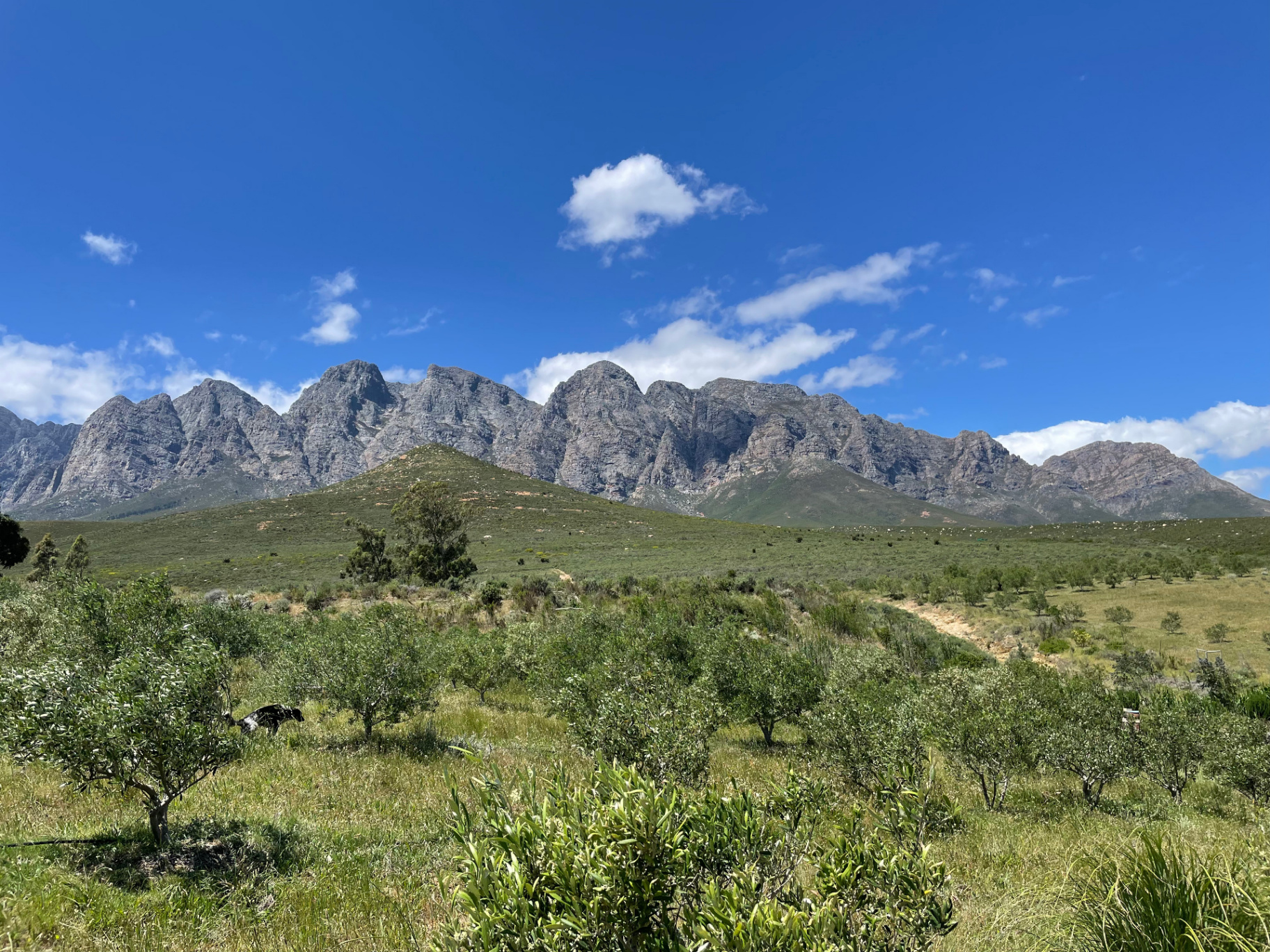
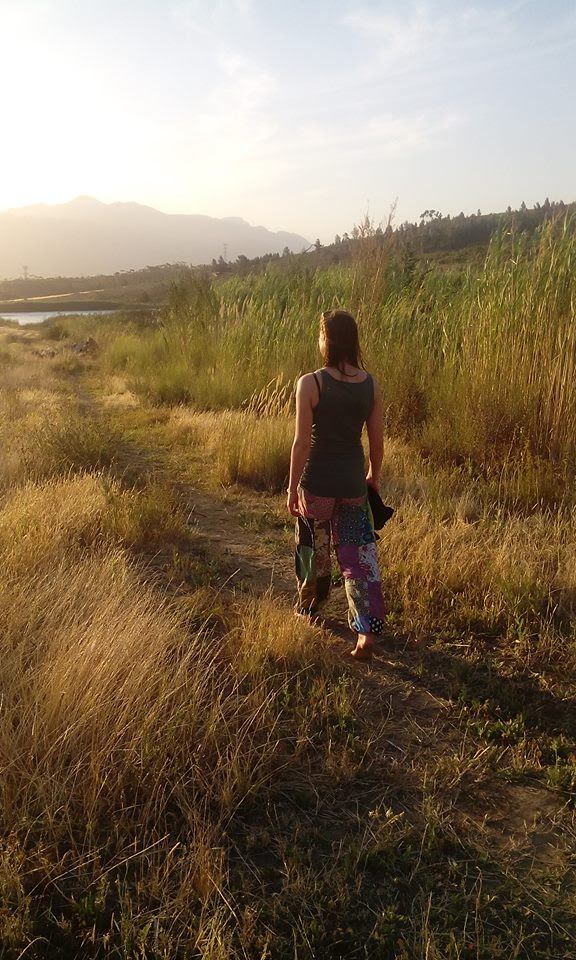
The farm sits halfway up the mountains in the Western Cape of South Africa. Two owners, two workers, volunteers rotating in from around the world. A handful of vegetable beds, a cheese shed where the air is cool against the heat outside, and rows of manderine trees that produce fruit for export rather than for us. For three months, this is my world.
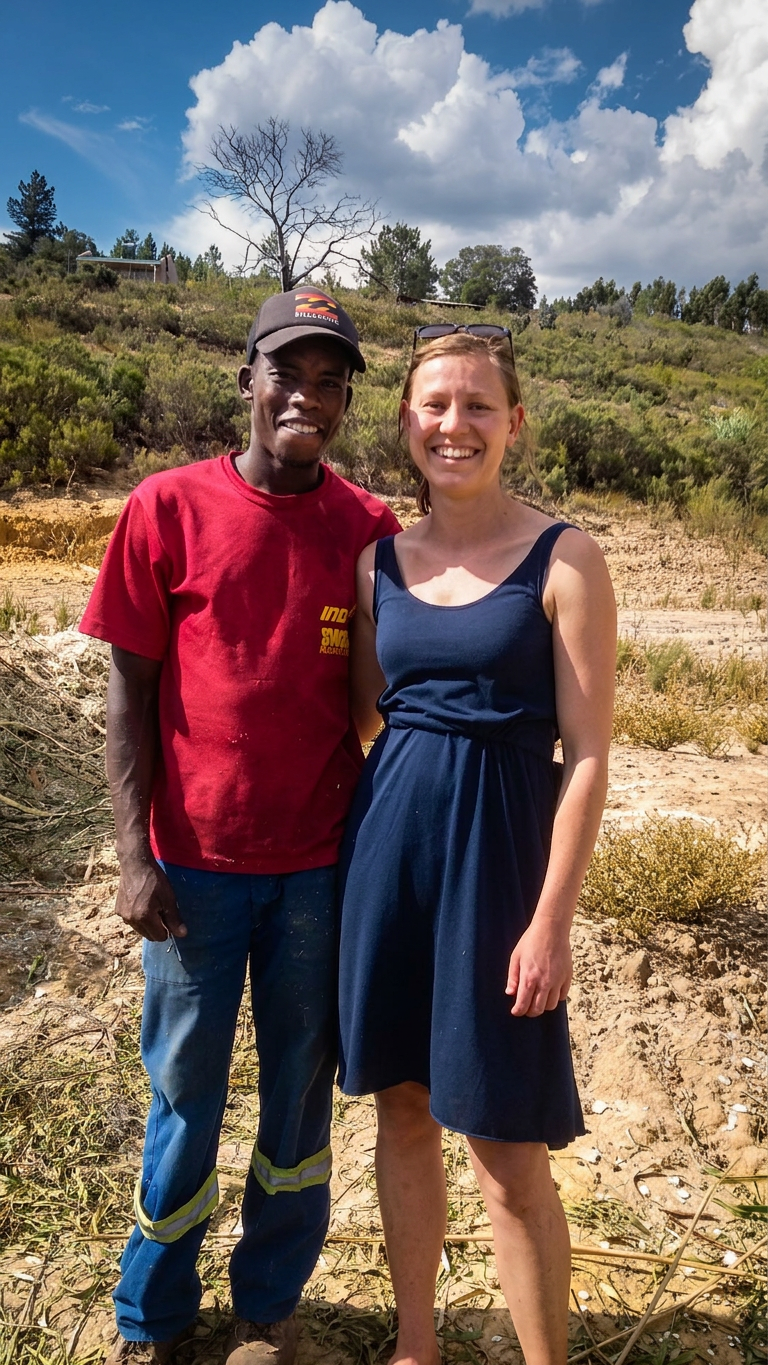
Thando is one of the two workers. He is quiet in the way that people are quiet when they are paying attention. On the days I help him, we talk about the farm, about nothing in particular, and eventually – as it always does between people from different corners of the world – about football.
I tell him I have played since I was small. My parents have footage of me with a ball at my feet almost from the moment I could walk – and no explanation for it. Neither of them ever enjoyed kicking a football. He listens, and we keep cutting weeds in the morning heat, the kind of heat that makes you think about the cheese shed and its cool air and count the hours until you get there.
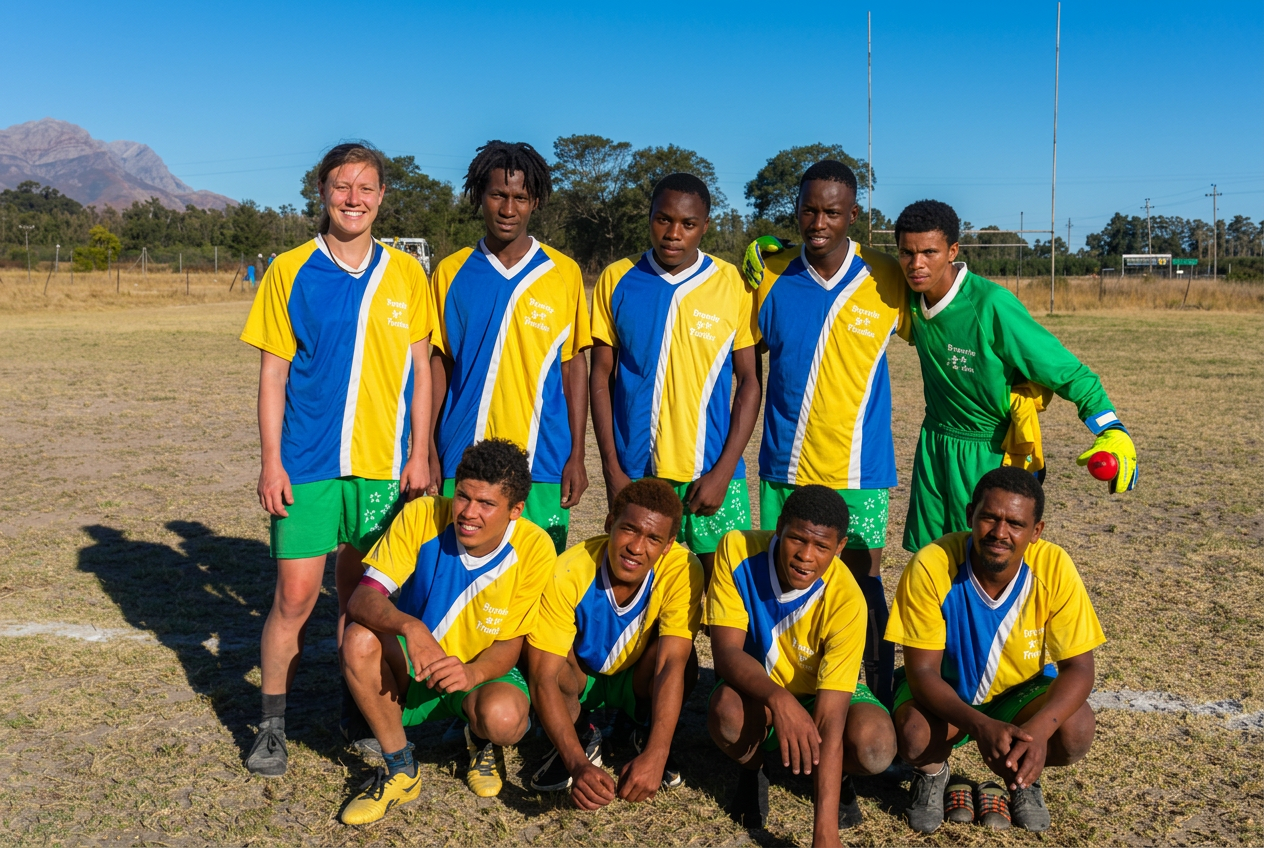
Then, without much preamble, he invites me to join his team. They play regularly against other amateur sides in the region. A black male team in rural South Africa, and he is asking me – a white European woman he has never seen play – to join them. No audition, no hesitation. Just: do you want to play?
I say yes and try not to show how much the question means to me. As a woman who has played football her whole life, I know what usually comes with it: the comments, the doubts, the quiet assumption that I don't quite belong. It wears on you, even when you pretend it does not. He says he will check with the team first. A week later he gets back to me: they're in. No hesitation there either.
 © Credit unknown
Three months pass quickly when the days are full. The vegetables grow, the cheese ages, the manderines turn orange. I play a handful of matches with Thando's team. The opponents have plenty to say about a woman on the pitch. My teammates have nothing to say back – they just play, and I am simply a part of the team, and that is enough. With them around me, the comments don't land the way they usually do. They just fall away.
On my last day, Thando and the others drive me to town, where a friend will pick me up and eventually get me to the airport. We say goodbye at the roadside.
And then Thando says something I will think about many times after. When he had found out his wife was expecting a girl, he tells me, he was disappointed. He had wanted a boy. A boy he could teach football to, pass something on to, watch grow into the game he loves. He pauses. „Through you," he says, „I learned that girls can be fantastic football players. I will support her with everything I have – no matter what she wants to learn."
I don't know what to say except goodbye, take care – the most ordinary words for a moment that is anything but. The car pulls away, and the mountains get smaller in the window, and I think about a little girl who does not know yet that her father is already on her side – no matter what she will grow to love in her life.
 © Jana Hasenberg
 © Marius Crowther
 © Mark Fry